


Plantations to Pollution

Black Communities, Legacy Pollution, and the Path Forward

Sometimes it’s just a short line on a map that connects yesterday’s plantations to today’s pollution. From forced labor to forced exposure, Black communities still bear the burden of pollution and environmental injustices rooted in slavery and systemic racism. This multimedia storytelling series traces that unbroken line—revealing the past, exposing the present, and charting a path toward a brighter tomorrow 

Unbroken Line

This timeline follows the throughline from slavery to pollution—revealing how Black communities have borne environmental injustices for generations and continue to demand the healthy present and future they deserve. 

Early 1600s

1910s

1940s

1950’s

1960s to 70s

1980s to now

1619

First enslaved peoples arrive in North America

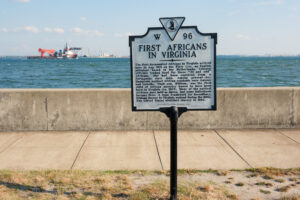
The White Lion, an English privateer based in the Netherlands, arrived in then Point Comfort—now a part of modern-day Hampton, Virginia—in August 1619 with approximately 20 enslaved people from Africa. Today it is known as Old Point Comfort and was the site of Fort Monroe. It is only approximately 5 miles from Buckroe Beach.

1910

Black landownership at the turn of the century

The peak of landownership by Black people in the United States totaled 15 million acres. Of this, 218,000 Black farmers are full- or part-owners.

Up to 81 percent of these landowners, by one estimate, due to lack of access to legal resources, did not make wills. These lands became known as heirs’ properties that lacked legal protections and were vulnerable to forced sales, contributing to further land loss among Black landowners as the 20th century progressed.

1949

The Housing Act of 1949

On July 14, the Housing Act of 1949 was signed into law. The Act furthered the “Urban Renewal” program, providing significant funding for cities to acquire “slums” and properties perceived as “blighted” and sell them for public or private redevelopment, resulting in the displacement of Black communities.

1956

Federal-Aid Highway Act

The passage of the Federal-Aid Highway Act bolstered the build out of the United States’ federal interstate system. The Act enabled the government to seize homes via eminent domain, isolating neighborhoods, breaking apart communities and undercutting Black families’ opportunities for generational wealth.

1963 and 1972

Clean Air and Clean Water Acts

The Clean Air Act of 1963, the first federal legislation providing for the control of air pollution was introduced. Amendments in 1970, 1977 and in the 1990s expanded federal authority regarding air pollution control.

The Clean Water Act amended the 1948 Federal Water Pollution Control Act, laying the foundation of modern water pollution control regulations.

As a result of historic redlining, the location of polluting industries in and near neighborhoods, and the targeted development of highways, communities of color experience a disproportionate burden of environmental pollution and the associated, detrimental health effects.

The Environmental Justice Movement

Many credit Afton, North Carolina, as the birthplace of environmental justice for the residents’ protest in the 1980s against the proposed siting of a hazardous waste landfill intended to receive Polychlorinated Biphenyl (PCB)-laden soil in their predominantly Black community.

In the early 1990s the Environmental Protection Agency (EPA) established their Office of Environmental Justice (then Equity) and National Environmental Justice Advisory Council.

Presidents Clinton and Biden signed executive orders in 1994 and 2021 requiring, respectively, that federal agencies implement environmental justice policies and direct 40 percent of climate, clean energy and infrastructure investments to disadvantaged communities. The current administration rescinded these executive orders in January 2025.

Stories

The Road through Bucksport

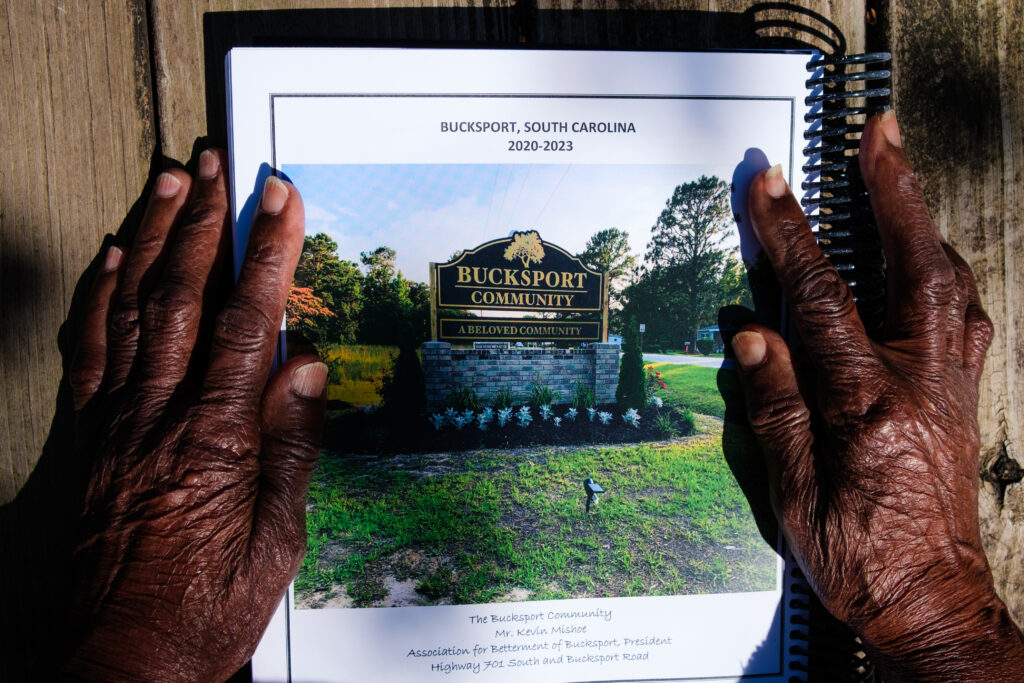
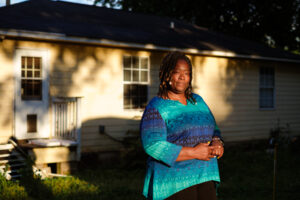
Ten miles from Myrtle Beach, South Carolina, Bucksport was founded by formerly enslaved people from Henry Buck’s Tip Top Plantation. The community now faces a proposed interstate threatening homes, farmland, and sacred sites, and pressuring Black residents off their ancestors’ land.

Read the Story
Stories

From Stagville to Hayti

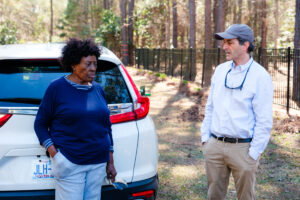
Once known as a Black Wall Street— Durham, North Carolina’s Hayti community, founded by freed people from nearby Stagville plantation, was torn apart by urban renewal and Highway 147, leaving residents dealing with displacement, air pollution, extreme heat conditions, and economic loss.

Read the Story

Stories

How pollution in Memphis inspired generations of advocates

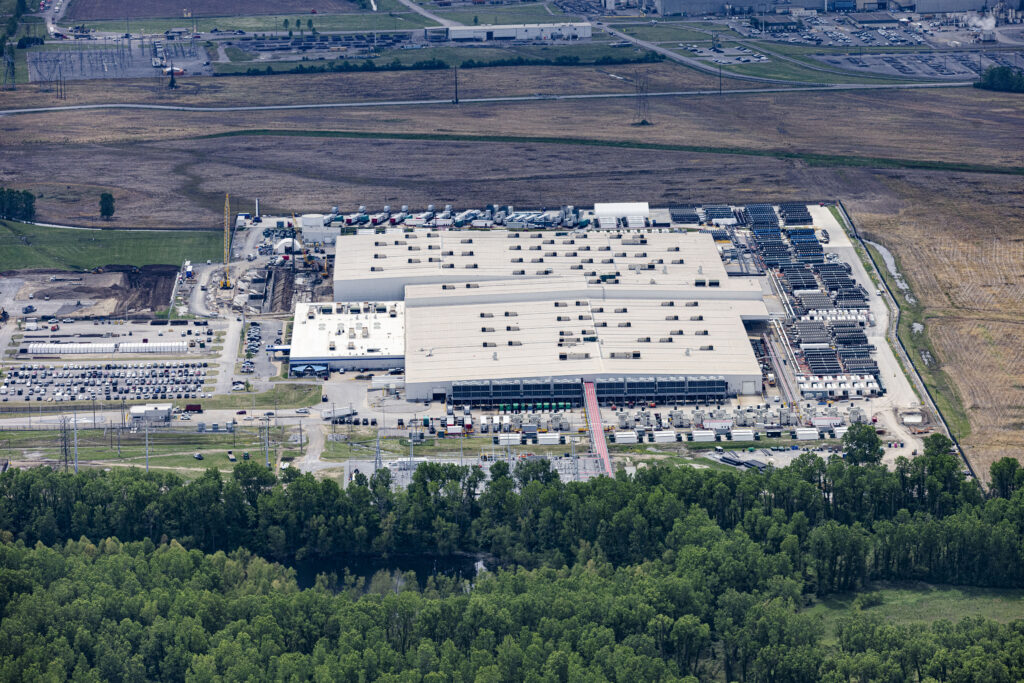
South Memphis, Tennessee, long targeted for industrial zoning, endures heavy pollution from multiple sources, including Elon Musk’s new xAI facility. Residents continue to pay the price in air pollution, health risks, and lost opportunities.

Read the Story

Stories

The long tide of Hampton Roads

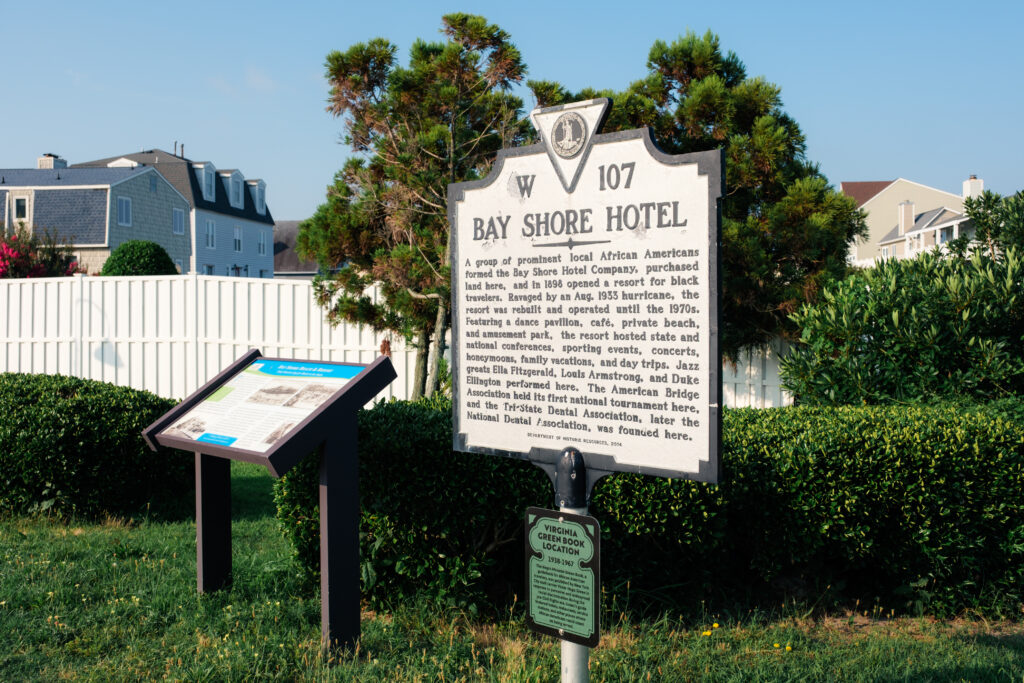
In Hampton, Virginia, Bay Shore Beach, once a thriving Black beach, was lost to storms, flooding, and economic pressures, while the nearby “whites-only” Buckroe Beach thrived. Today, Black coastal communities still face flooding, rising seas, and systemic inequities.

Read the Story

Black communities in the South

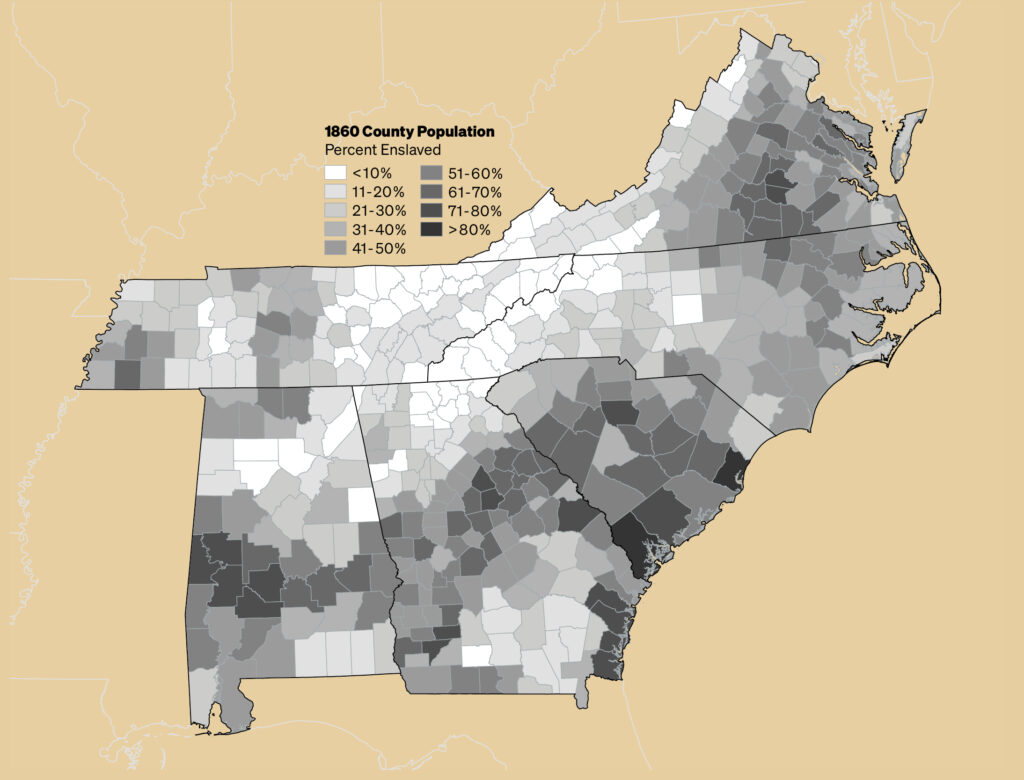
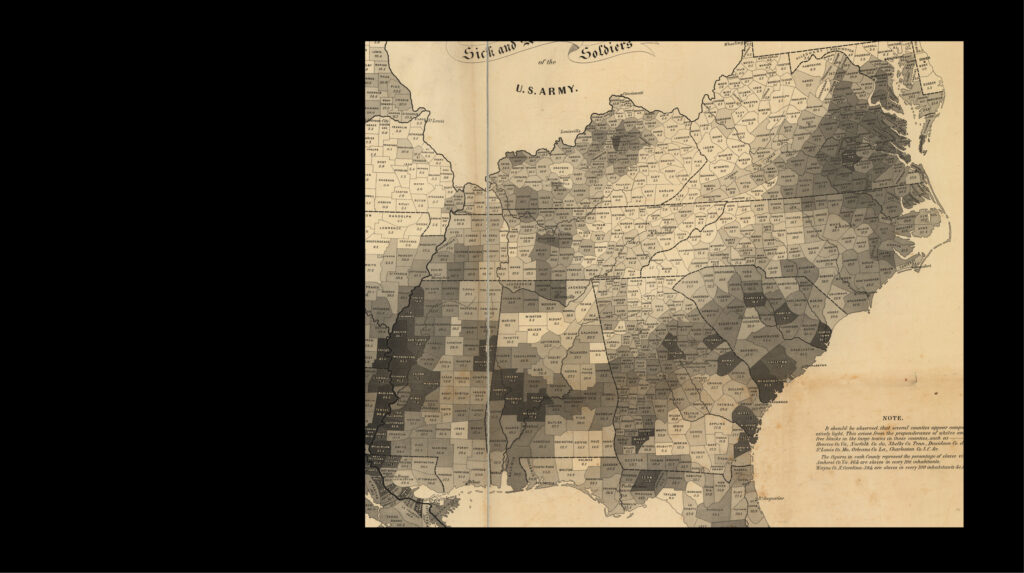
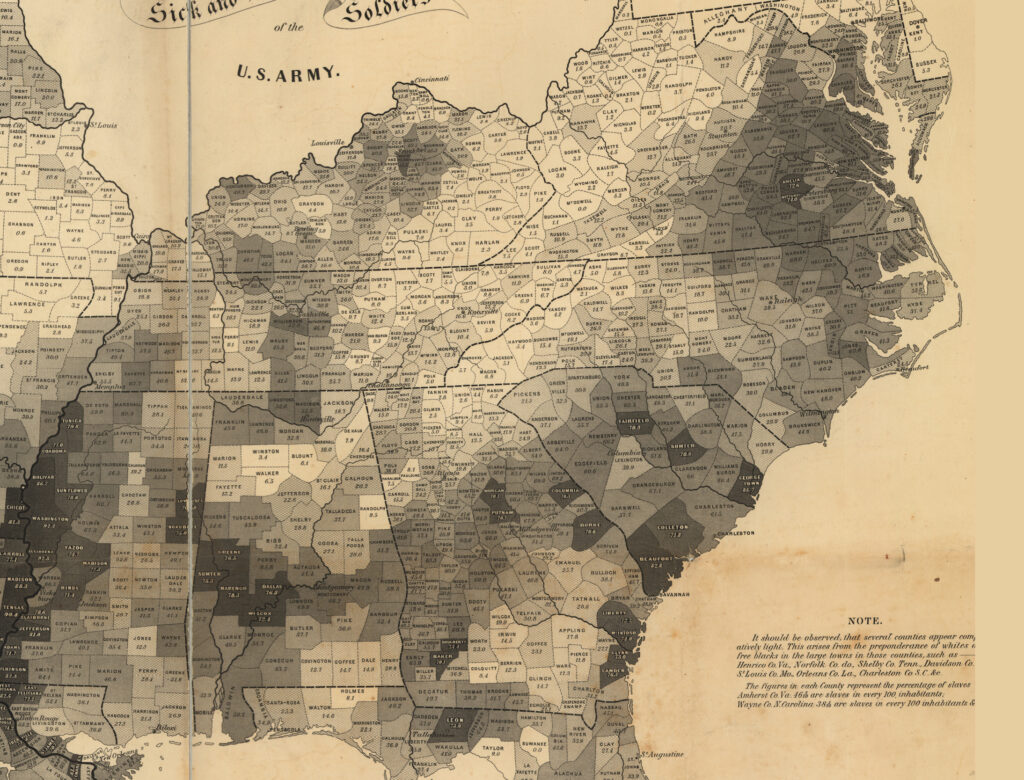
Enslaved people in the South

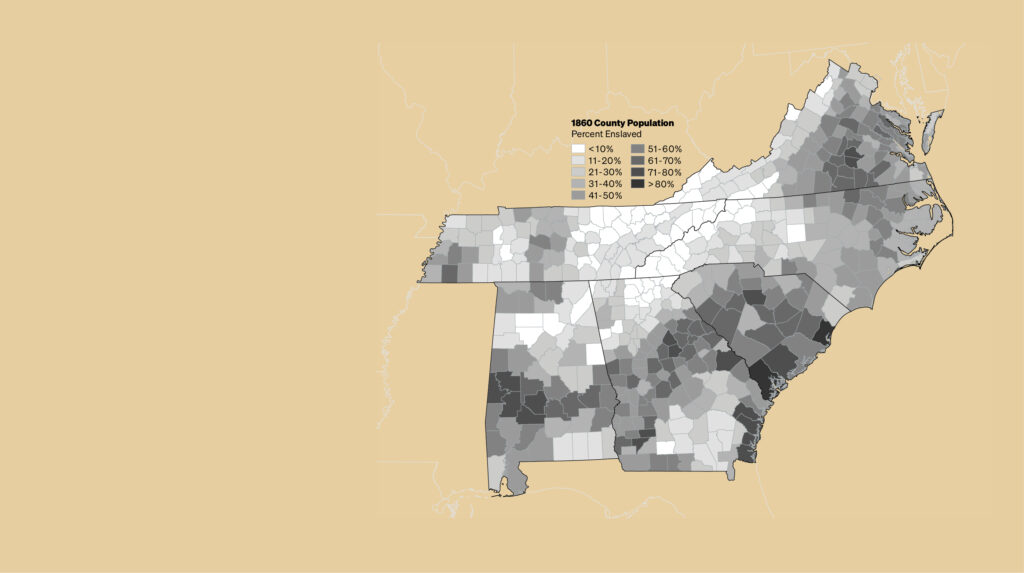
Enslaved people were largely concentrated in the Southern United States, with large concentrations near the coasts or ports in Virginia and South Carolina.

The Black population by county in  1860

Right before the Civil War, the United States conducted a census that included analyzing the population by “color and condition,” aggregated by counties. The conditions? “Free, colored, and slave.”

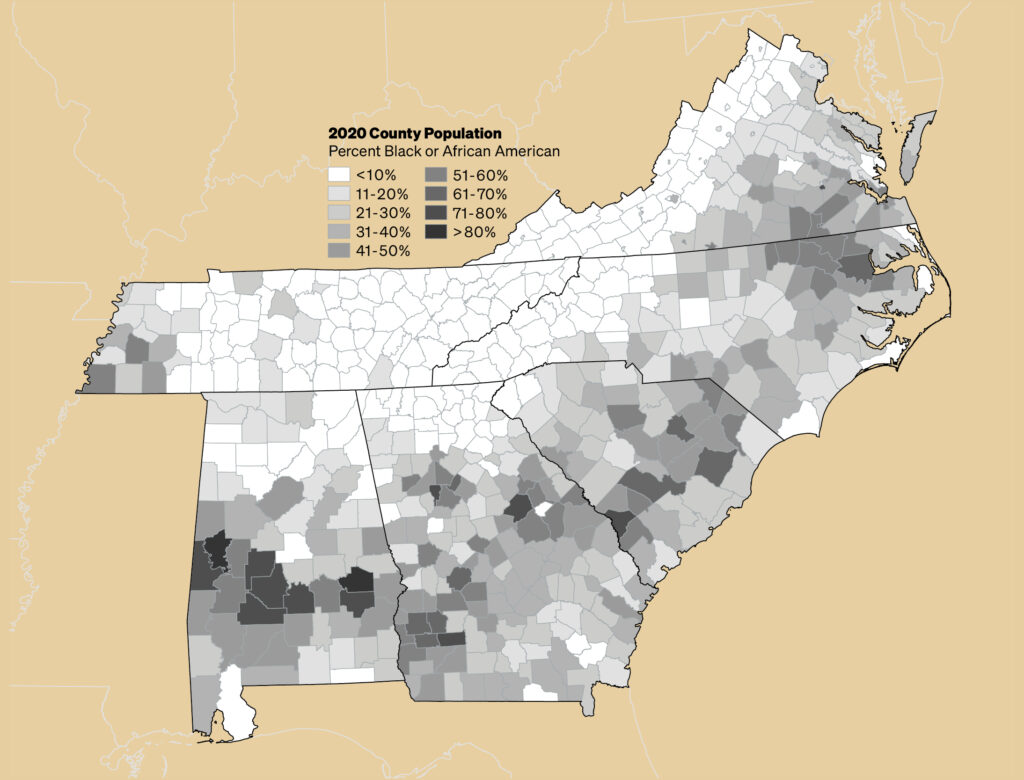
Southern Black population today

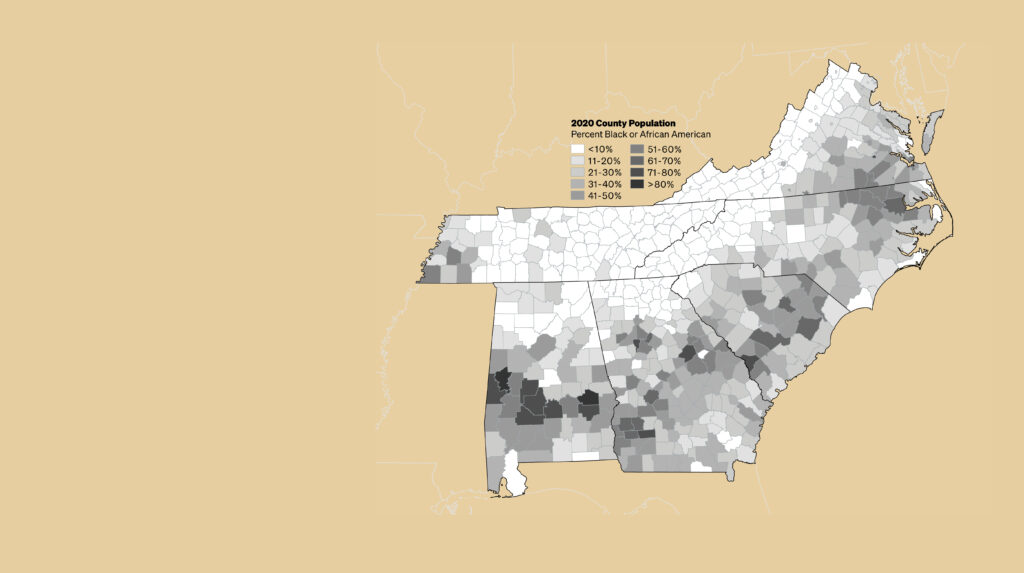
This map of Black populations by county in our region shows that while there has been plenty of movement out of the South, the pattern remains largely the same with many of the same counties still boasting a high number of Black residents.

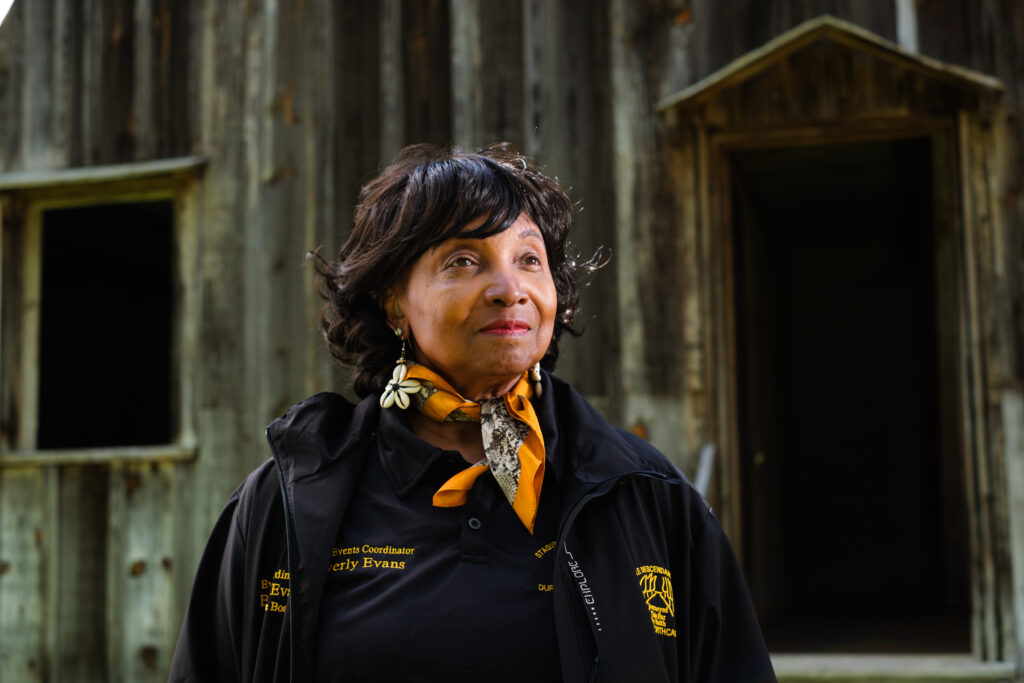
Climate change is occurring, and we’re keeping our heads in the sand and not paying attention to it. They want to shut [that conversation] down, just like they want to tell the lies and shut down parts of history.”

Beverly Evans

Stagville Descendants Council