
About Us
Plantations to Pollution: Black Communities, Legacy Pollution, and the Path Forward
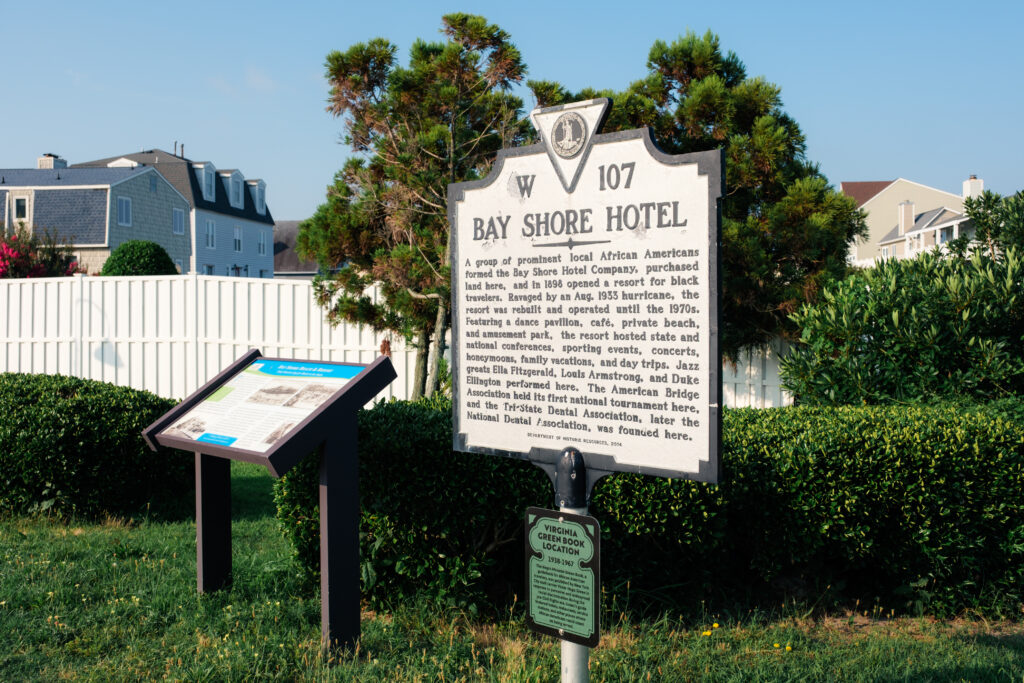
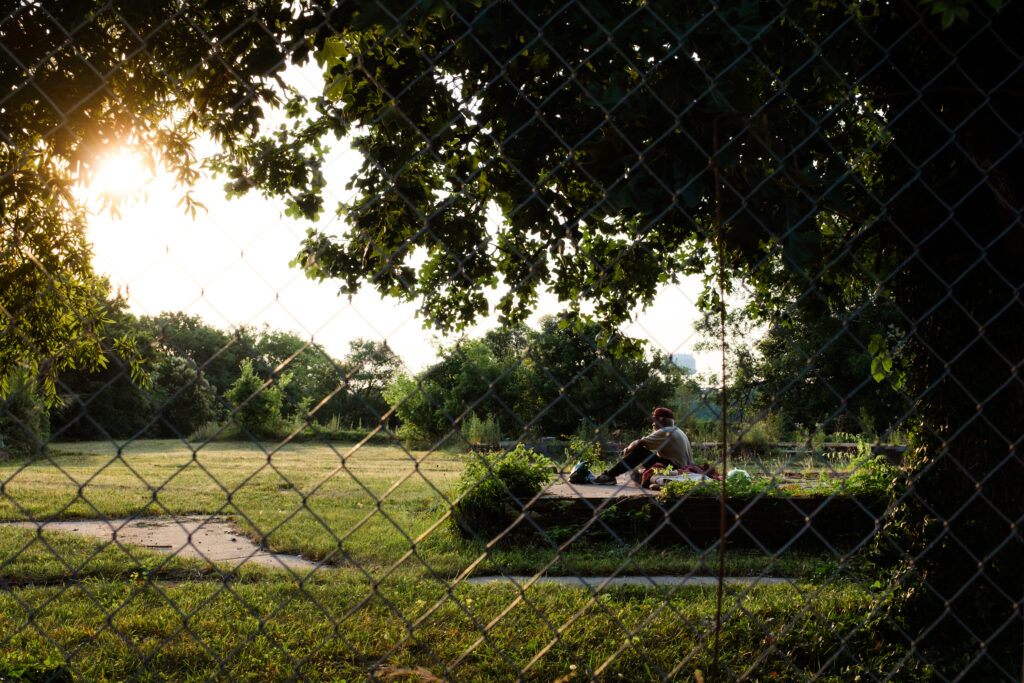
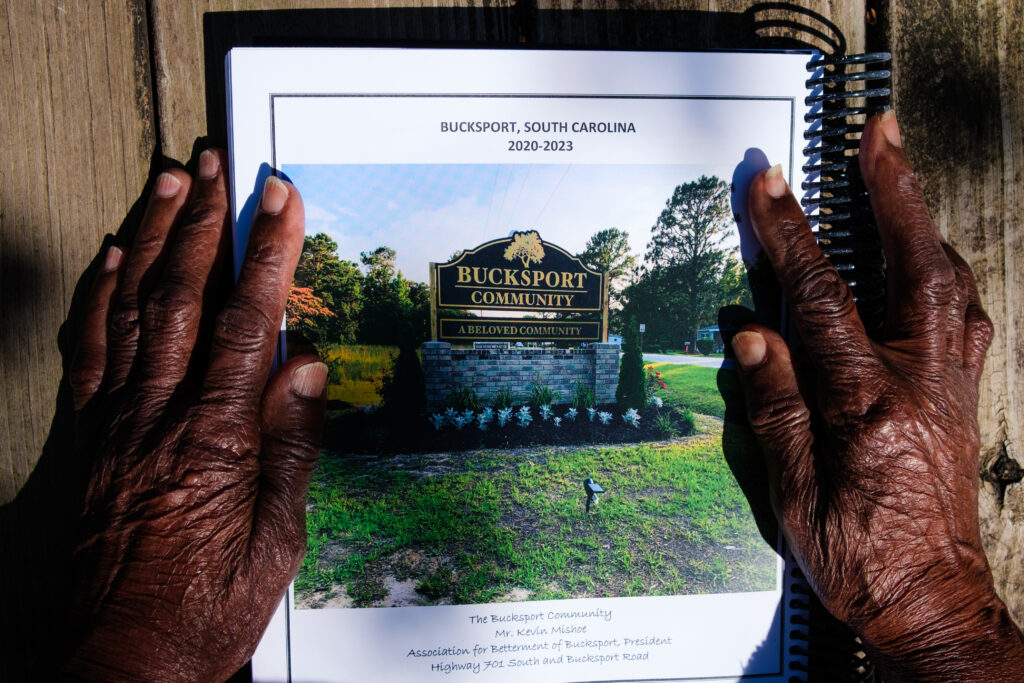
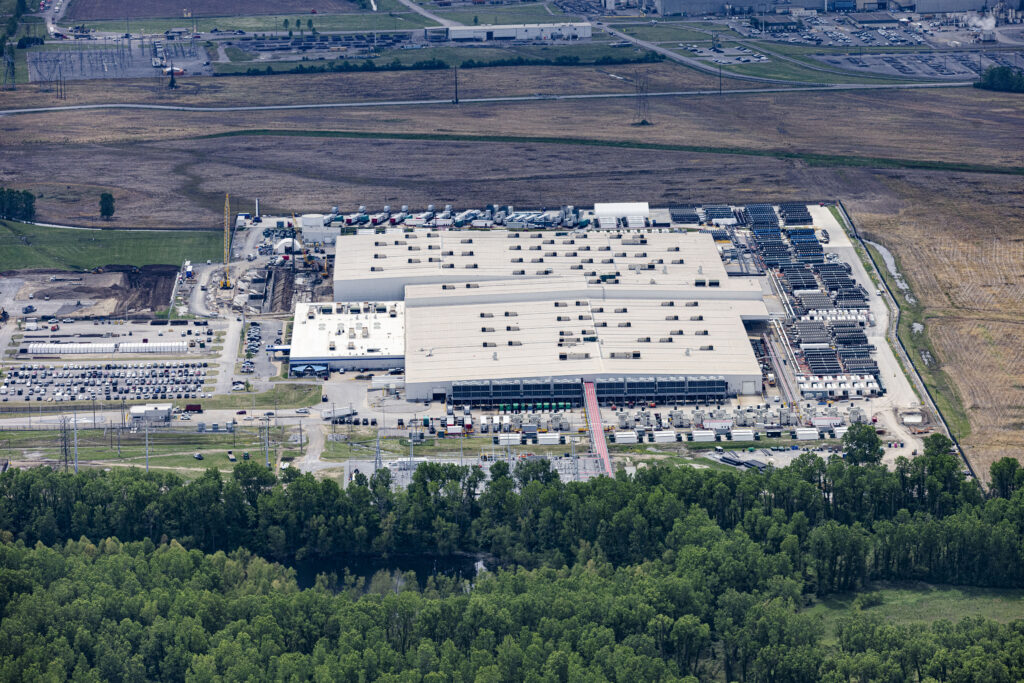
is a powerful multimedia storytelling series from the Southern Environmental Law Center that traces the often-unbroken line from plantation slavery to today’s environmental injustices found across our region. Through powerful personal stories, historical photos, maps, and advocacy, the series explores how choices made in our past laid the groundwork for the environmental struggles Black communities in the South face today.
In this storytelling series, SELC staff and a group of talented videographers, photographers, journalists, and creators take a deeper look at why Black communities specifically bear a disproportionate burden of environmental harm. We do this by following the throughline from Southern plantations to today’s environmental injustices — offering portraits of persistence, advocacy, and hope.
About SELC
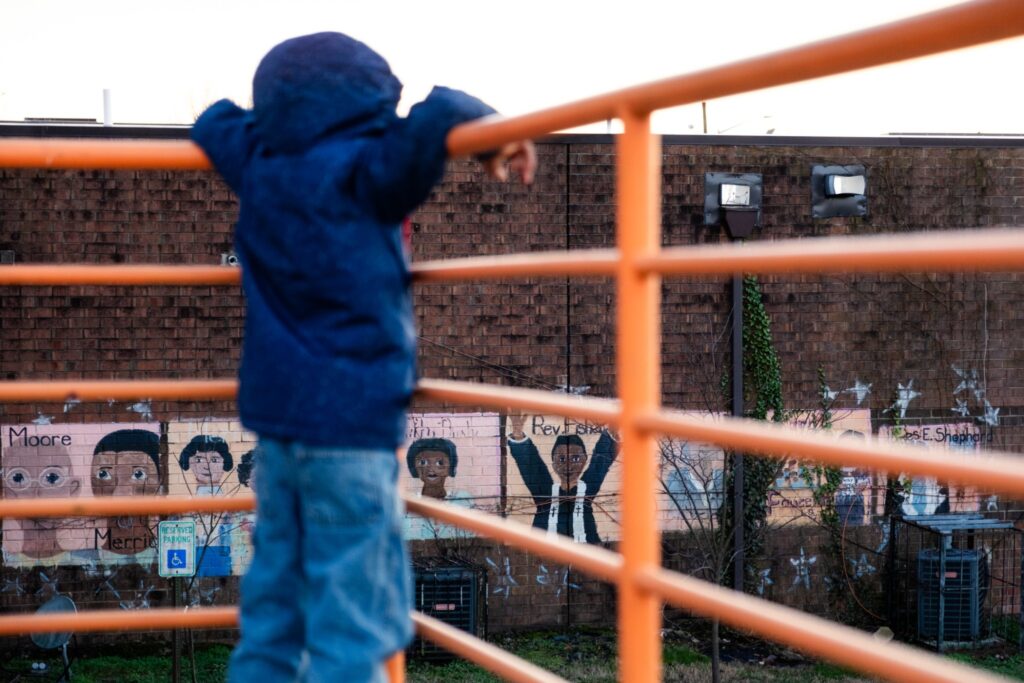
At the Southern Environmental Law Center (SELC), we believe that everyone deserves to breathe healthy air, drink clean water, and live in thriving communities free from harmful pollution. From fighting pollution to elevating local voices in decision–making, we stand alongside communities as they face dangerous pipelines, polluting industries, and destructive highway expansions.
Meet the Team
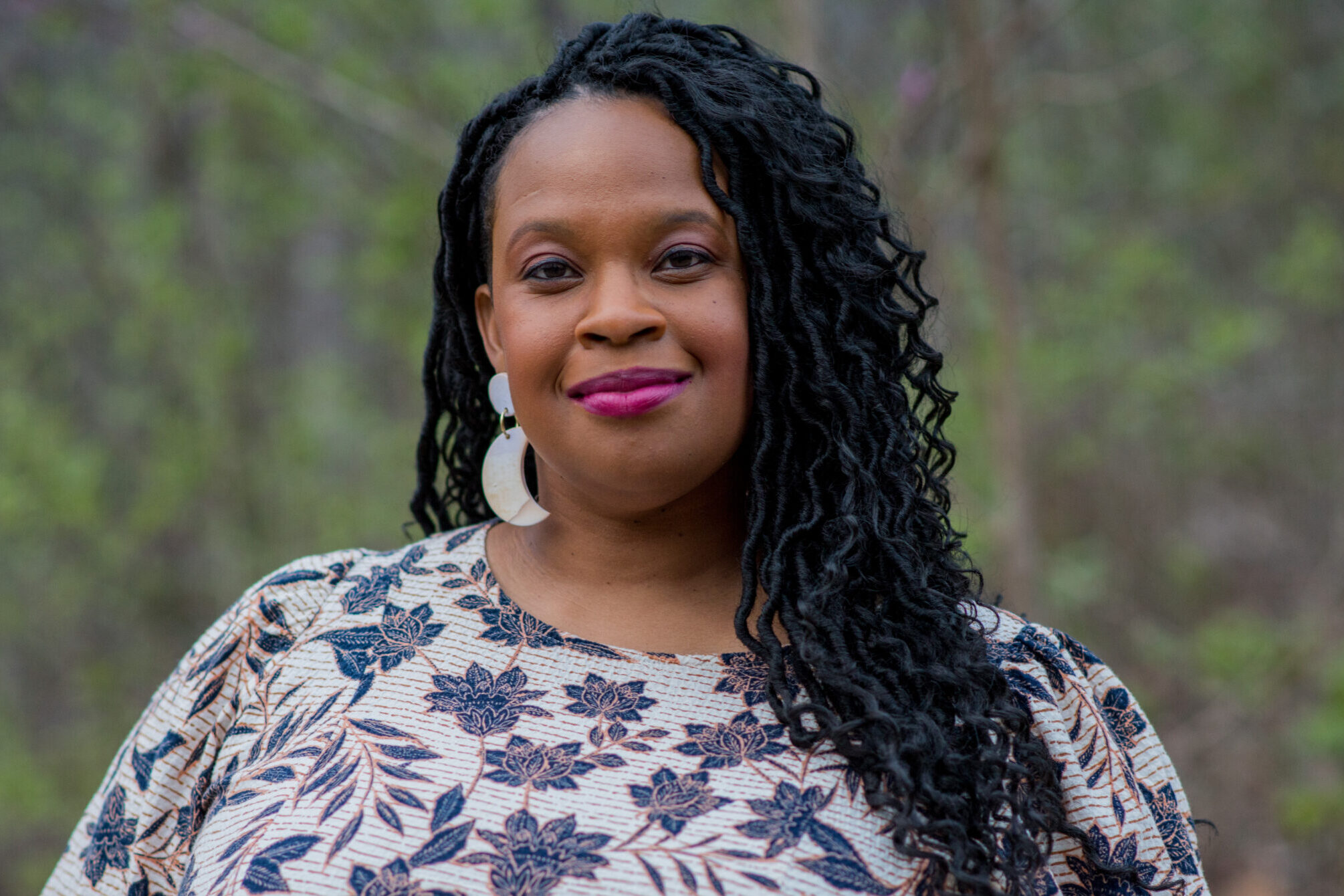
Tasha Durrett
Project Manager and Writer
Tasha Durrett is a senior communications manager at SELC, leading communications for the Virginia Office as well as the regional Land and Community Program and Environmental Justice Initiative. She has written for and been featured in various local, regional, and national publications, including Essence Magazine. Her love for people, history, and truth led her to develop the Plantations to Pollution storytelling project at SELC.
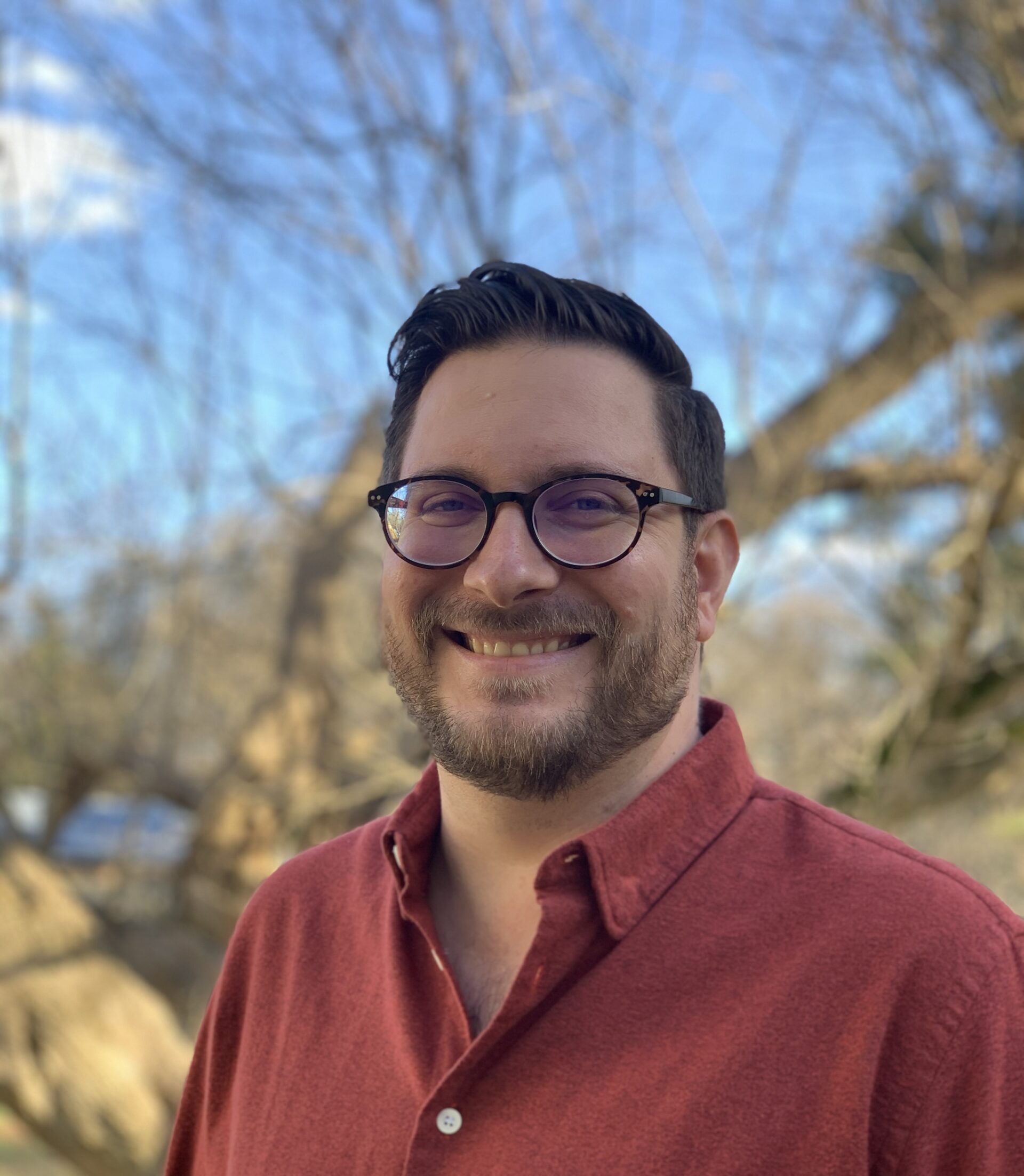
Cornelius Lewis
Video Production Manager
As SELC’s digital content and strategy manager, Cornelius amplifies SELC’s issues, people, and partners across the Southeast and has spent a decade working directly with roots musicians across the Deep South. He has produced over 60 videos, garnering over 2.5 million views, including a PBS Documentary and an NPR Tiny Desk Concert.
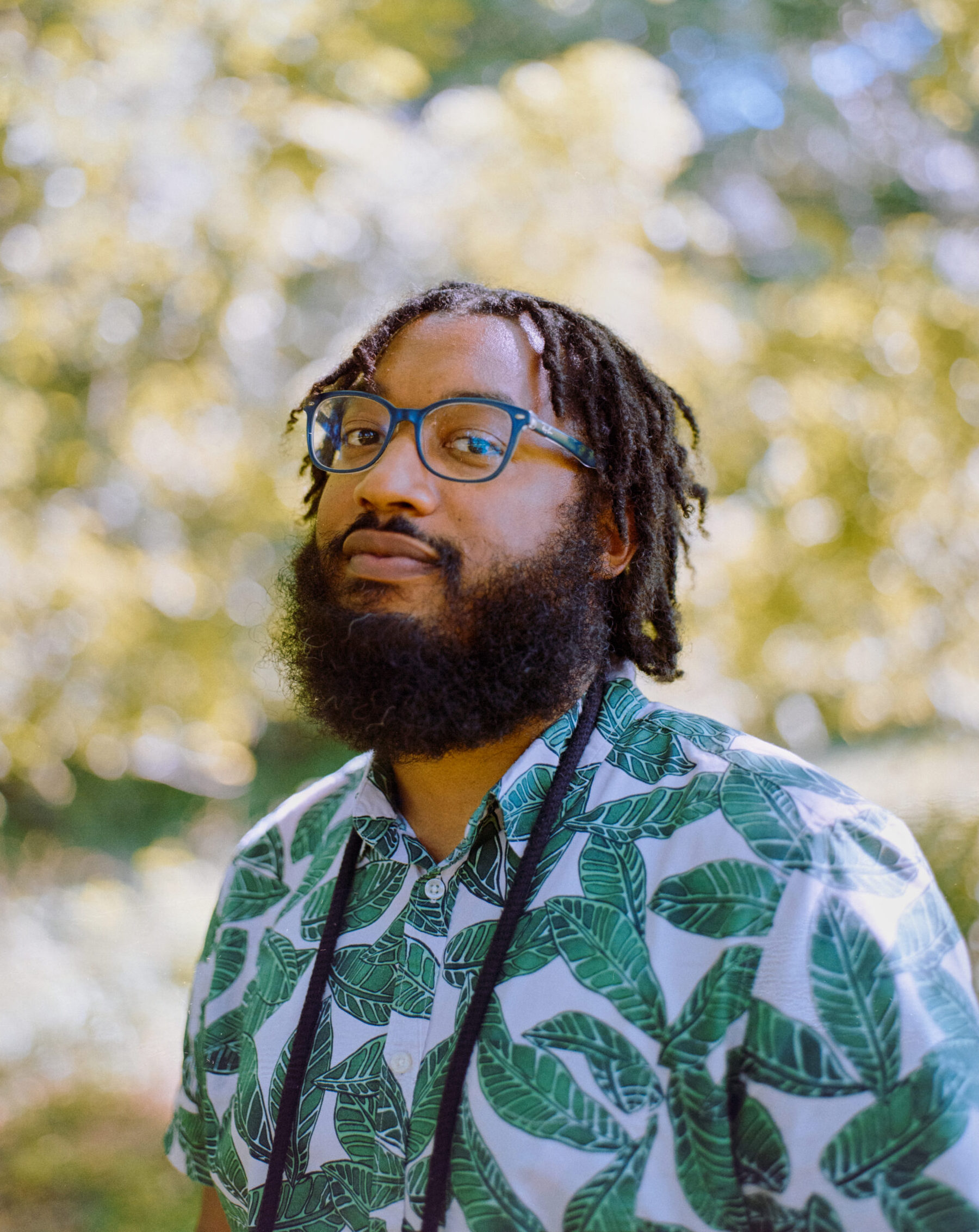
Cornell Watson
Photographer
Cornell Watson is a photographer based in Durham, North Carolina. He frequently contributes to national publications such as The New York Times, The Washington Post, The Wall Street Journal, and Bloomberg. His photography centers Black stories and has been exhibited in museums such as the Mint Museum, Nasher Museum of Art, and the National Civil Rights Museum.
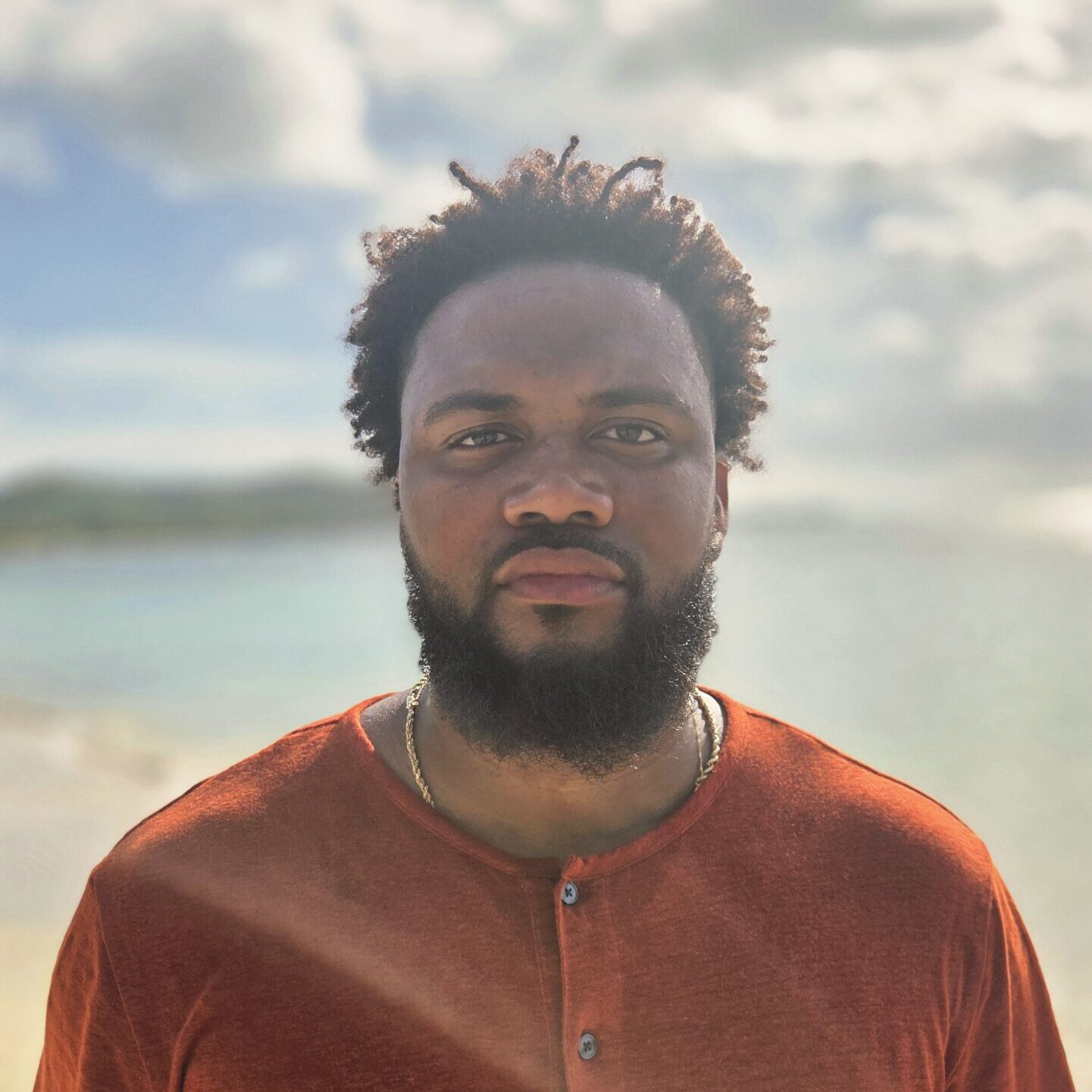
Nehemiah Bester
Writer
Nehemiah Bester is the communications strategist for the ACLU of Maryland and producer on the Emmy-nominated PBS documentary, The Riot Report. His work has been featured in various publications, including The Afro-American Newspaper, RVA Magazine, Baltimore Sun, Sphinx Magazine, and Maryland Matters. Nehemiah directed the Life After a Second Chance docuseries, which highlights formerly incarcerated individuals returning home to help pass the Maryland Second Look Act legislation.
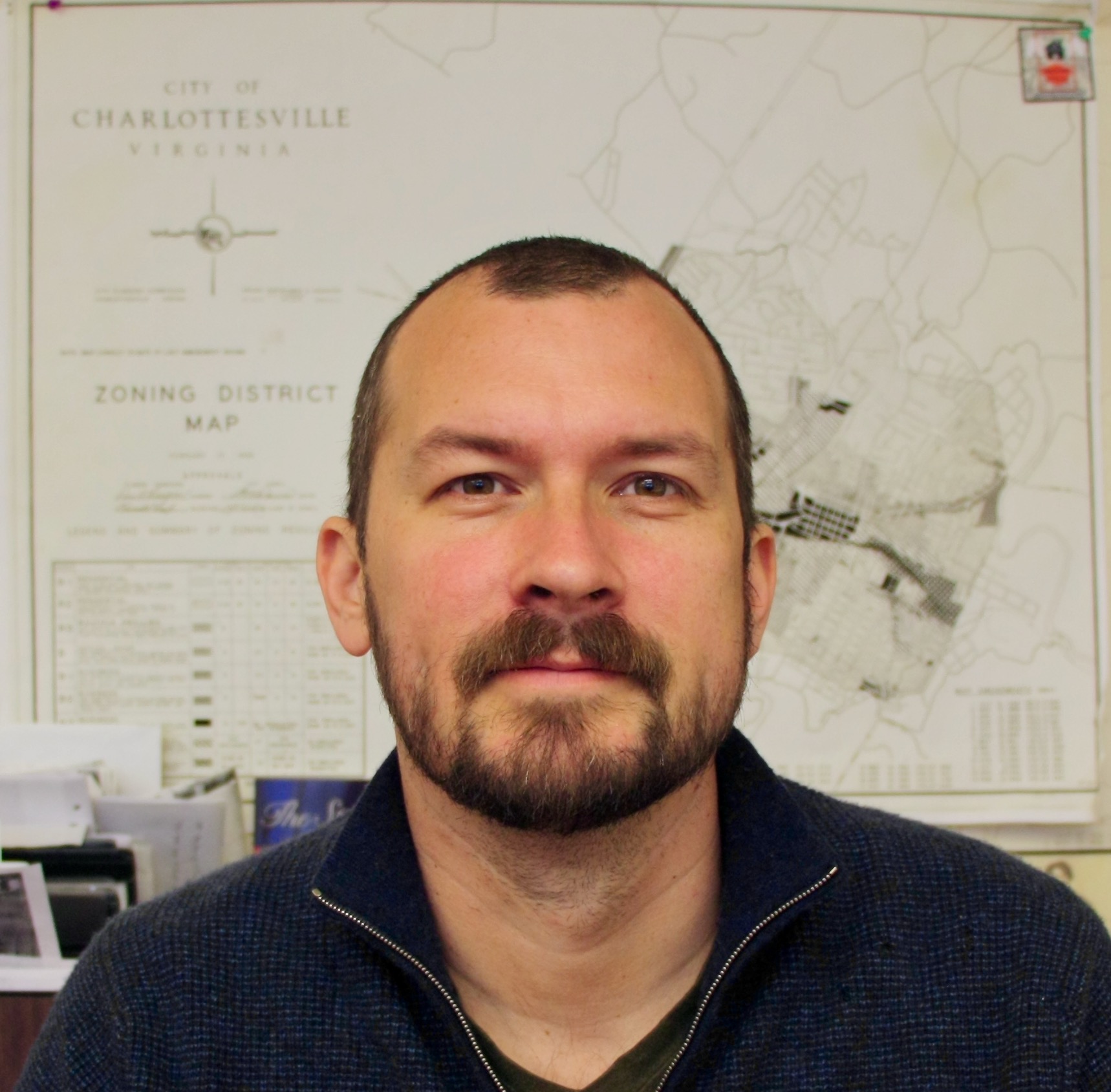
Jordy Yager
Writer
Jordy Yager is a career journalist and the director of digital humanities at the Jefferson School African American Heritage Center in Charlottesville, Virginia. There, he helps run the Center for Local Knowledge, which focuses on community-based reparative history. Recently, Yager was the executive producer of the Plot of Land podcast and co-wrote and directed Raised/Razed, an Emmy and Telly award-winning film about Charlottesville’s Vinegar Hill neighborhood.
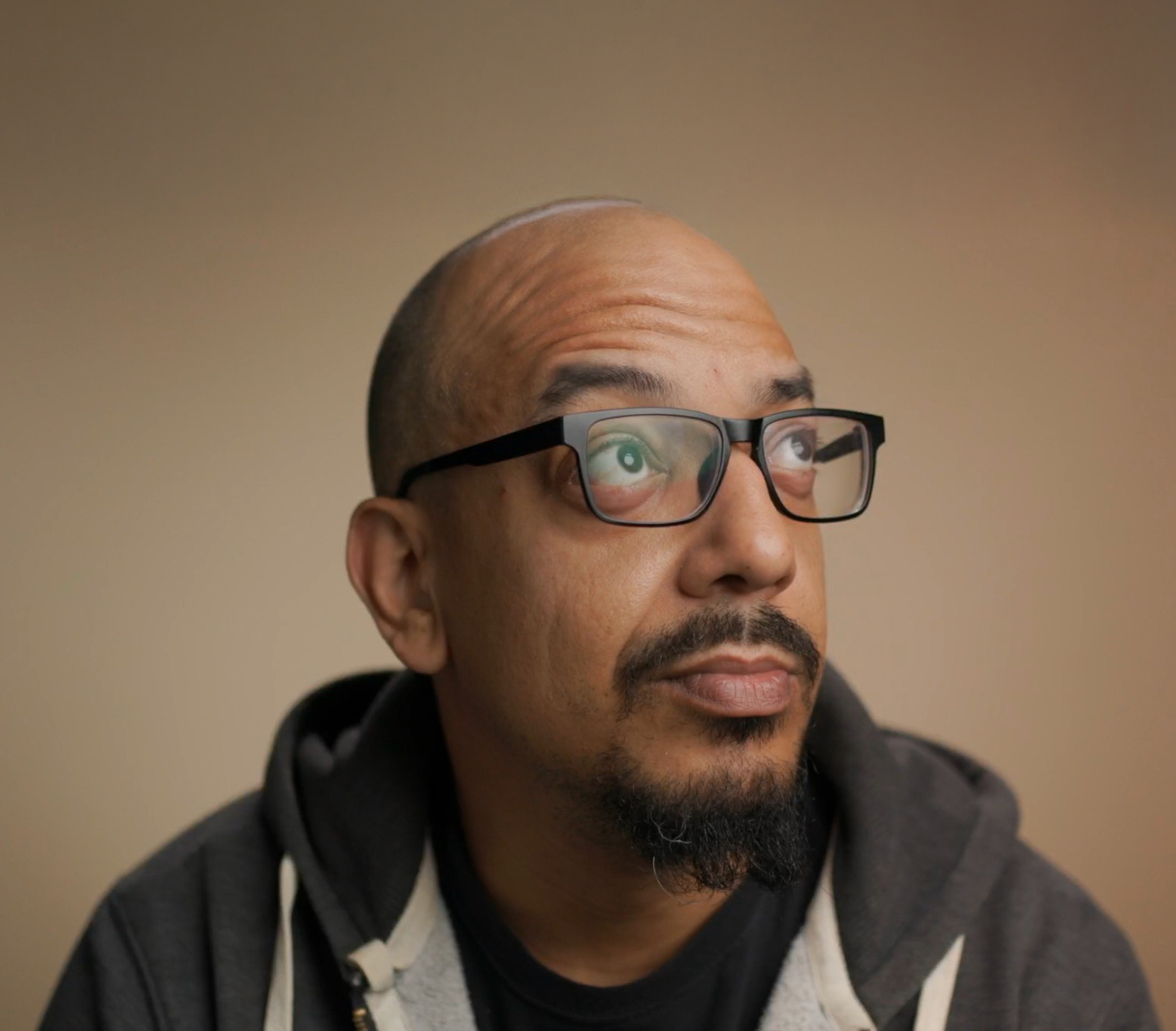
John Laww
Videographer
John Laww is a North Carolina-based cinematographer seeking to help make the community a better place, one film at a time. He has a passion for telling artists’ stories as well as filming projects that tackle issues such as environmental injustice, criminal justice reform, student debt relief, and public transit. Of the latter, these include Injustice: Hidden Crisis in Virginia’s Prisons and Resolution: Hoke County Speaks Out.
Broken Ground Podcast
The latest season of the Broken Ground podcast by SELC uncovers how the legacy of slavery connects to today’s environmental injustices. Join Host Leanna First-Arai as she sits down to talk with descendants of enslaved laborers, career historians, and community members to better understand how the choices made in our past created the challenges that communities face today.