
How pollution in Memphis inspired generations of advocates
Memphis, Tennessee, is celebrated as the home of the blues. Beale Street is one of the most recognizable creative spaces for musicians in the South. It’s inspired authors from James Baldwin to Alice Walker. It has also been a hub for social and environmental activism, raising generations of activists and advocates.
From Ensley Bottoms to TVA
In 2025, Memphis remains a majority Black city, with Black residents making up nearly 63 percent of the city’s population. Following the Civil War, many Black people sought refuge in the city that already had a sizable Black population. Some of the earliest Black residents were formerly enslaved people of the Ensley Bottoms plantation. Like many communities that have historically been home to Black families for generations, South Memphis was once home to multiple plantations. The Ensley Bottoms plantation in Shelby County, which was largely located on what is now the T.O. Fuller State Park, was owned by Enoch Ensley. Once the Civil War ended, he turned to convict leasing, a system of forced labor that was practiced widely in the South.
There are Shelby County residents who still remember family members growing up in “the Bottoms.” In 1947, however, the city annexed Ensley Bottoms and zoned it for industry, recognizing the appeal of being close to the Mississippi River, paving the way for numerous industrial sites, including a steel plant, wastewater treatment facility, and multiple gas plants operated by the Tennessee Valley Authority (TVA).
A perfect storm of industrial burden
The consequences of inequities in Memphis are still glaring. The industrious early communities in Boxtown that built homes from scraps are the same ones that, in 2021, helped stop Plains All American Pipeline from building a proposed 49-mile pipeline that would have gone through several southwest Memphis neighborhoods to transport crude oil for export.
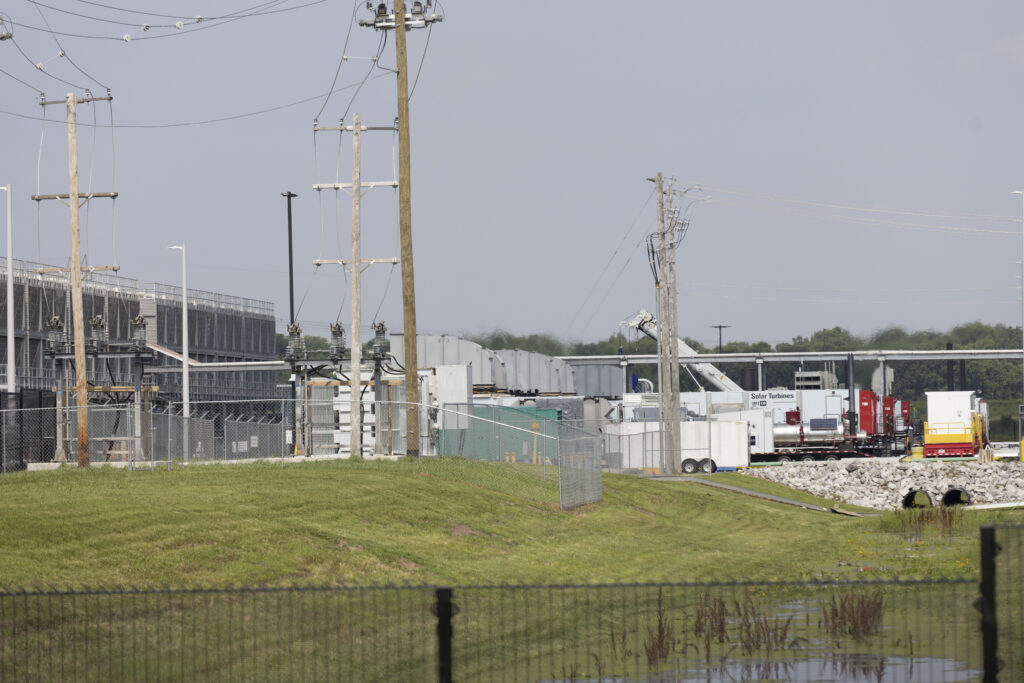
Fast forward to March 2024, and billionaire Elon Musk officially established the so-called supercomputer, Colossus, said to be the world’s largest, in this same area of South Memphis. The giant data center powers Musk’s AI chatbot, known as Grok. However, despite the technological advances of the supercenter, xAI has incredible energy demands. To meet its voracious power needs, xAI installed and began operating dozens of polluting methane gas turbines without any permits or input from nearby communities. While the company has removed many of the turbines from the site, it still operates up to 15 turbines at the facility. These turbines release harmful smog-forming pollution and chemicals like formaldehyde into the South Memphis air. According to the American Lung Association, Shelby County constantly receives F grades for ozone pollution, better known as smog, increasing the chances of lung cancer and cardiovascular disease.
“Southwest Memphis has been identified as an air toxic hot spot,” said SELC Senior Attorney Amanda Garcia. “If you look at where xAI is on a map, it’s surrounded by or it’s part of a ring, really, of major industrial facilities that have high levels of air pollutant emissions.”
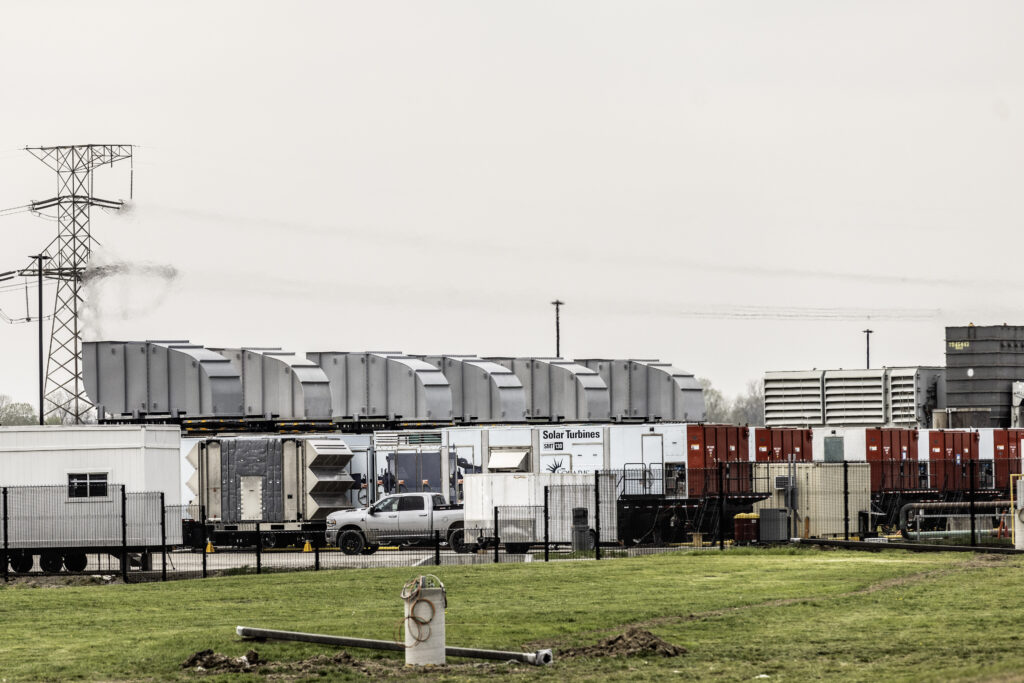
For years, Memphis has not met federal smog standards set by the Environmental Protection Agency (EPA).
In June 2025, SELC, representing the NAACP and Young, Gifted, and Green, sent a legal notice setting out their intent to sue xAI under the Clean Air Act for essentially setting up an unpermitted power plant. While xAI has since removed its unlawful turbines, the company has told state regulators in Mississippi that it plans to use unpermitted turbines again to power a second xAI data center in South Memphis. The turbine installation would be less than a mile across state lines in Southaven, Mississippi.
“We were alarmed because we knew there was already an air pollution problem in Memphis, and with no pollution controls, the xAI gas turbines were likely the largest industrial source of smog-forming pollutants in all of Memphis,” continued Garcia.
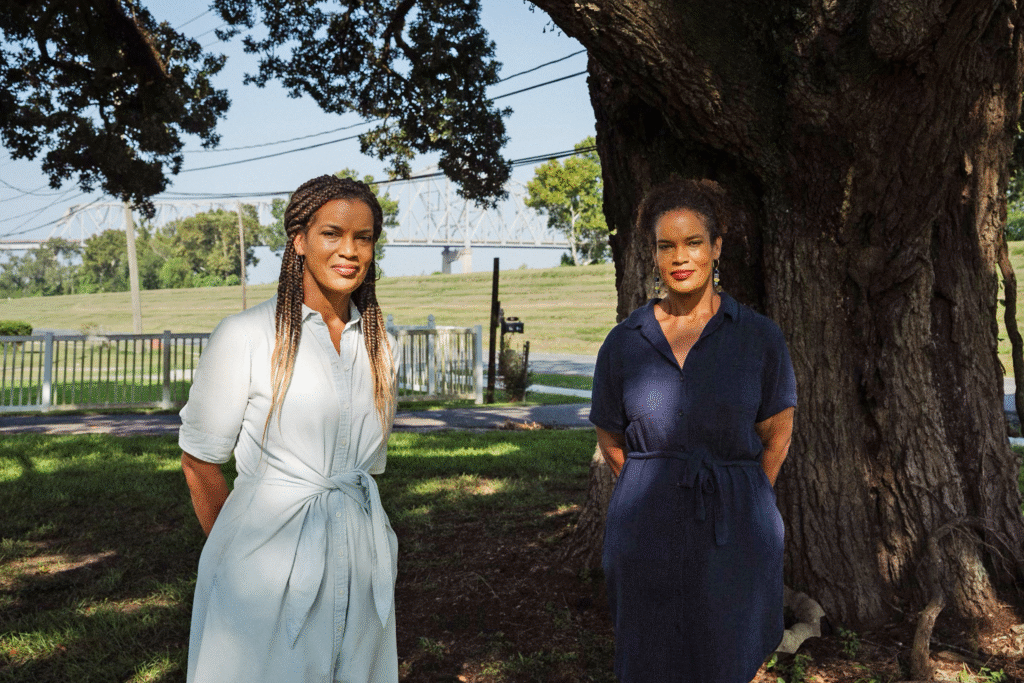
President and CEO of Young, Gifted, and Green, LaTricea Adams, runs the nonprofit civil rights and environmental justice organization that aims to influence change through mentorship, training, and political advocacy. A proud Whitehaven (endearingly called Black Haven) native, Adams recalls issues in places like North Memphis and Fraiser.
“In North Memphis and other parts of town, you have issues like incinerators, other landfills, brown fields. In fact, there’s an elementary school called Whitney Elementary,” says Adams, “[and] there’s literally a landfill, like a waste dump, right by the school. I’m talking about like within the same block.”
President and CEO of Young, Gifted, and Green, LaTricea Adams, discusses the numerous sources of pollution in Memphis:
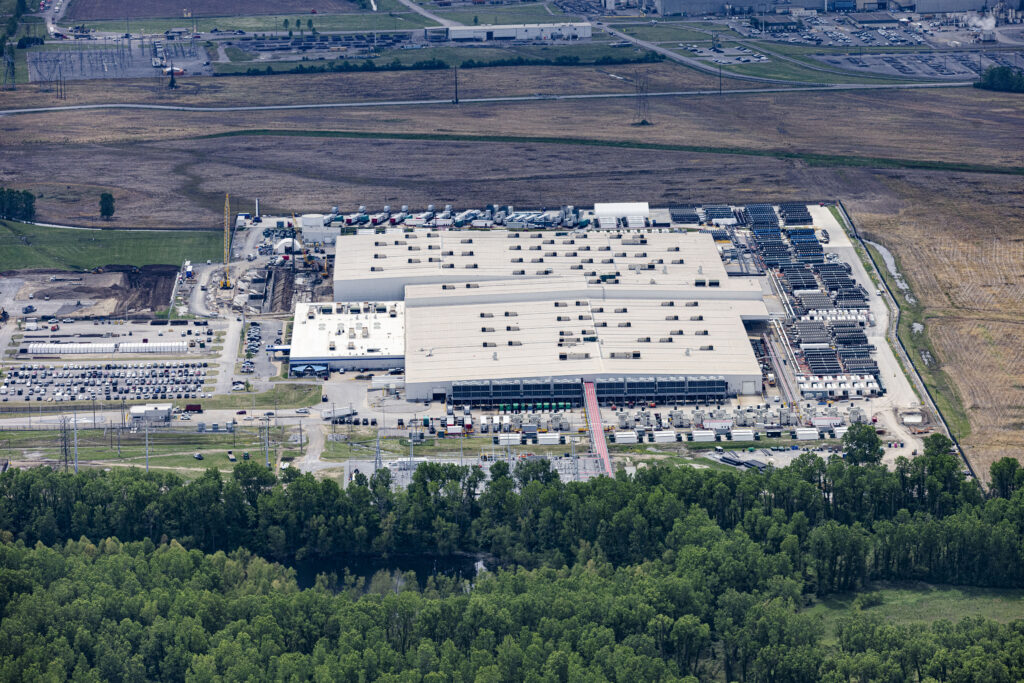
Air pollution in Memphis
Air pollution knows no boundaries, but it does impact those closest to it in an extremely hazardous way. Too often this is Black and lower wealth communities seen as paths of least resistance.
In 2023, there were 2.73 times as many Black people in Memphis as any other race. The fact that these vast areas of U.S. soil are some of the worst environmental hazards across the country is no coincidence. In fact, they are better explained with a common denominator: areas with massive Black populations. How these hazardous facilities happened to sprout in Black communities is not serendipitous; it’s systemic.
Pollution in Black cities is not bad luck. A three-hour drive south of Memphis to Jackson, Mississippi, shockingly has some of the highest concentrations of black carbon, better known as soot, in the state. Seven hundred miles north of Memphis, you’ll find Flint, Michigan—still suffering from a decades-long clean water health disaster. And another five-hour drive south of Memphis will bring you to a place between East Baton Rouge and New Orleans, Louisiana, home to its own Cancer Alley, stretching 85 miles of land.
The racial and environmental issues surrounding Memphis are not in a vacuum. Poverty, housing discrimination, lower incomes, flooding, black mold, and insufficient funding have all made things worse for Memphians.
I want Memphis to be the city that I know that we can have. A city where success and access to opportunity is equitable.
Yolonda Spinks
Environmental Justice Outreach Associate
SELC
Much of the highly concentrated polluted areas in Memphis have been designated as “cancer clusters” and deal with pollution that has led to increased rates of asthma, chronic obstructive pulmonary disease, and cancer risk four times the national average.
Living in a sacrifice zone
Environmentalist Dr. Mustafa Santiago Ali coined the term “sacrifice zones.” It is a place where near irreparable human harm has been done to certain geographic locations for the benefit of the larger economy, political entity, or investor. These sacrifice zones disproportionally impact Black people, people of color, and lower-income communities and lead to less local economic growth, upward mobility, and environmental justice. A sacrifice zone is not just a turn of phrase; it is, in fact, a reality of deathly proportions.
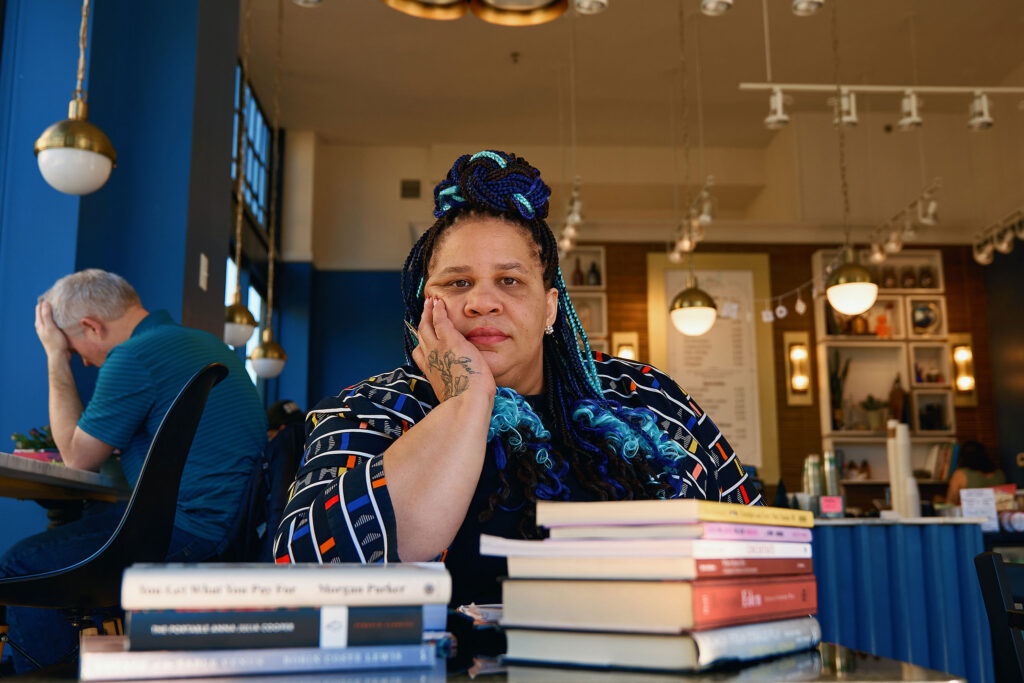
Yolonda Spinks is a Memphis resident who grew up surrounded by pollution:
Yolonda Spinks is currently an environmental justice outreach associate at SELC and has lived her entire life in Memphis.
“It’s typically always your lower income, your Black and Brown communities, even your poor white communities that are often put up for sacrifice to have these things,” Spinks said.
Dirty air harms everything. The toxicity we allow to dwell in Black communities will find its way into nearby communities. Memphis, along with other polluted cities, is a place where the dilemma of dangerous air pollution must be solved. And if not, it will no doubt continue to lead to sickness and death.
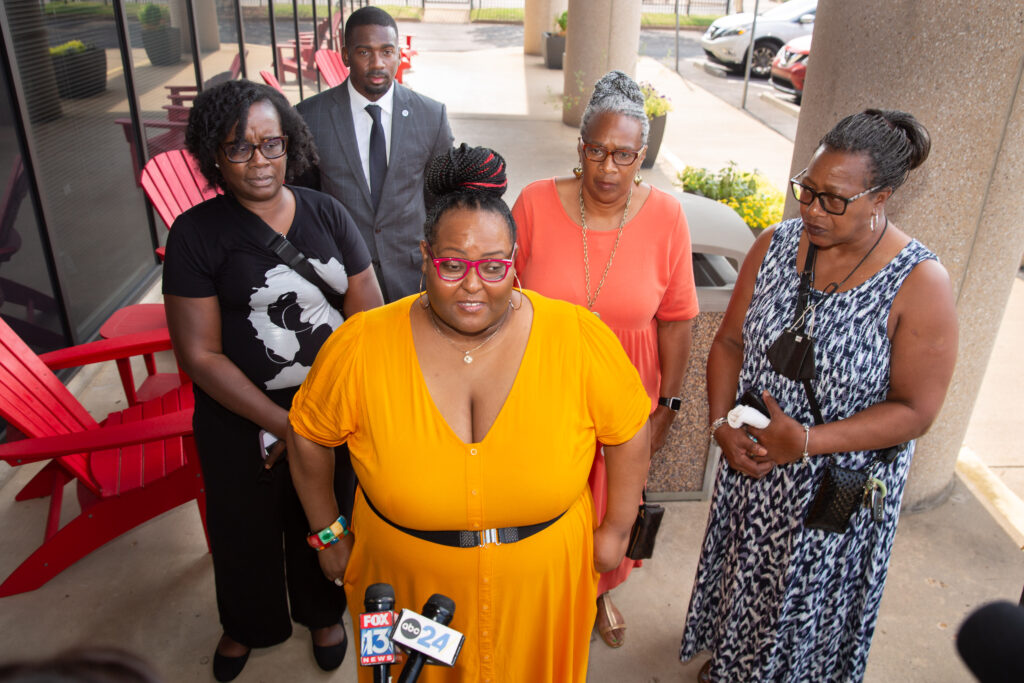
The rich culture that has sustained Memphis all these years and the people who love and steward the land, from “the Bottoms” to Beale Street, are what make the city special and worth saving.
“I want Memphis to be the city that I know that we can have. A city where success and access to opportunity is equitable,” Spinks said. “And I want people who care about people to include communities in those conversations about industry that’s in our city and create community benefit agreements that hold communities accountable and industry accountable.”