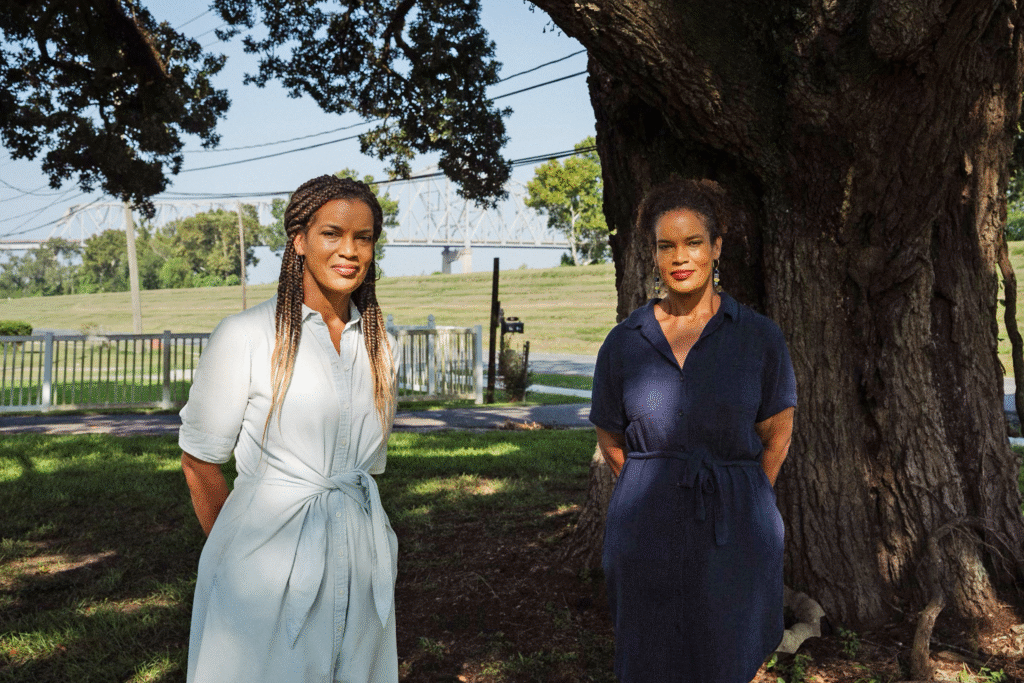

The Road through Bucksport
How a historically Black community is bracing for change it didn’t ask for.
Pine needles crunch as Mary Owens walks through a cemetery just outside her hometown of Bucksport, South Carolina. She weaves between more than a hundred graves. Some are marked with seashells, but most have no formal markers, just soft depressions where time has pressed down wooden caskets.
Many of those buried here were enslaved on nearby plantations in the 1800s. They drained swamps and harvested trees under excruciating conditions, building one of the largest timber economies in the state. Their descendants still live in Bucksport.
Owens has always been interested in history, and about 20 years ago began looking for her great-grandfather’s grave. The search took her to this graveyard. It was hidden under thick brush, known to her ancestors as Eddy Lake Cemetery, and it adjoins the Tip Top plantation, once owned by Henry Buck, the largest enslaver in the region.
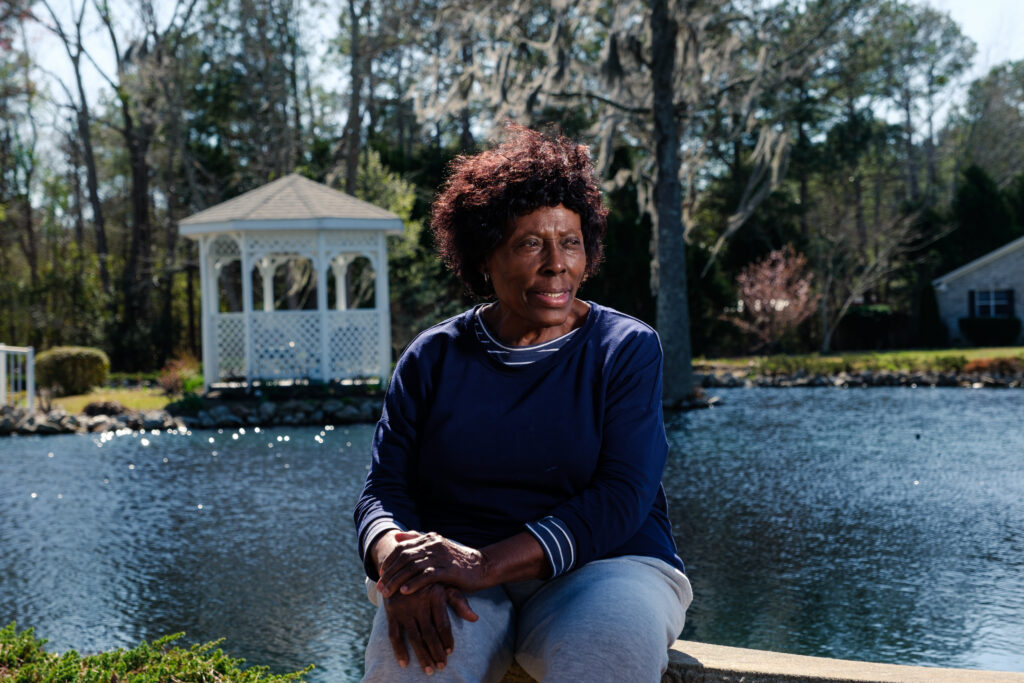
Mary Owens on keeping the history of their community alive from generation to generation:
Around the same time she rediscovered the cemetery, Owens also began hearing about a proposed highway project. The proposal, called the SC Highway 22 Extension, includes a 28-mile, four-lane highway and bridge connecting the coast with the interior at an estimated cost of between $1.5 billion and $2.5 billion. A number of the proposed potential routes go right by the Eddy Lake Cemetery.
“It’s a beautiful community, if we can keep it.”
Kevin Mishoe
Bucksport resident
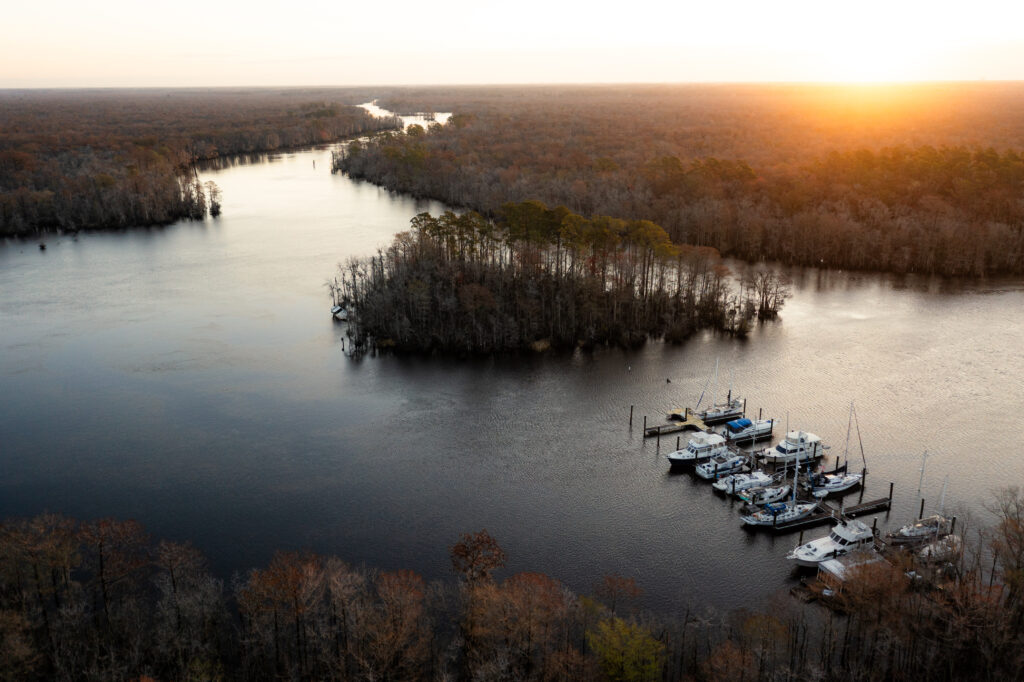
On maps, Bucksport is just 10 miles from Myrtle Beach, the coastal city that draws 18 million tourists annually. Between the two are the Waccamaw River and Waccamaw National Wildlife Refuge — both named for the Indigenous people that call this land home. To drive from Myrtle Beach to Bucksport, you have to go 30 minutes north to reach the nearest bridge and then another 20 minutes back south to reach Bucksport. This buffer has mostly protected the historically Black community of 600 people from outside extraction of natural resources, sprawling development, and displacement, even as the population of Myrtle Beach has boomed. But all of that is changing.
Rising waters, rising prices
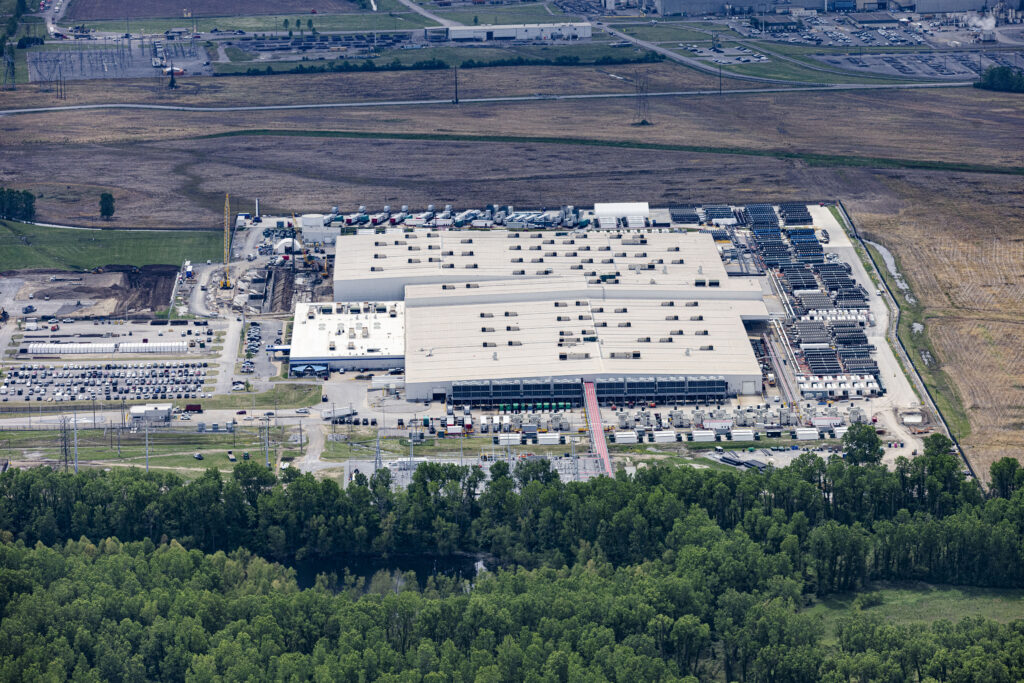
Bucksport is situated on a low-lying peninsula in South Carolina’s coastal plain. The Tip Top plantation and others surrounding it were known internationally for their timber production. Today, much of that land — about 4,400 acres — is owned by the Grand Strand Water and Sewer Authority (GSWSA).
Kevin Mishoe, a 62-year-old fourth-generation local farmer, remembers when the GSWSA built the local water treatment facility. Bucksport residents protested the accompanying truck traffic, he said, so the government built a new road, Marine Park Road. Now, Mishoe said, this new road, which runs parallel to Little Bull Creek, has shifted how water moves around Bucksport during heavy rains and storms. “This area never flooded in 100 years. It never flooded until they built Grand Strand Water and Sewer,” said Mishoe.
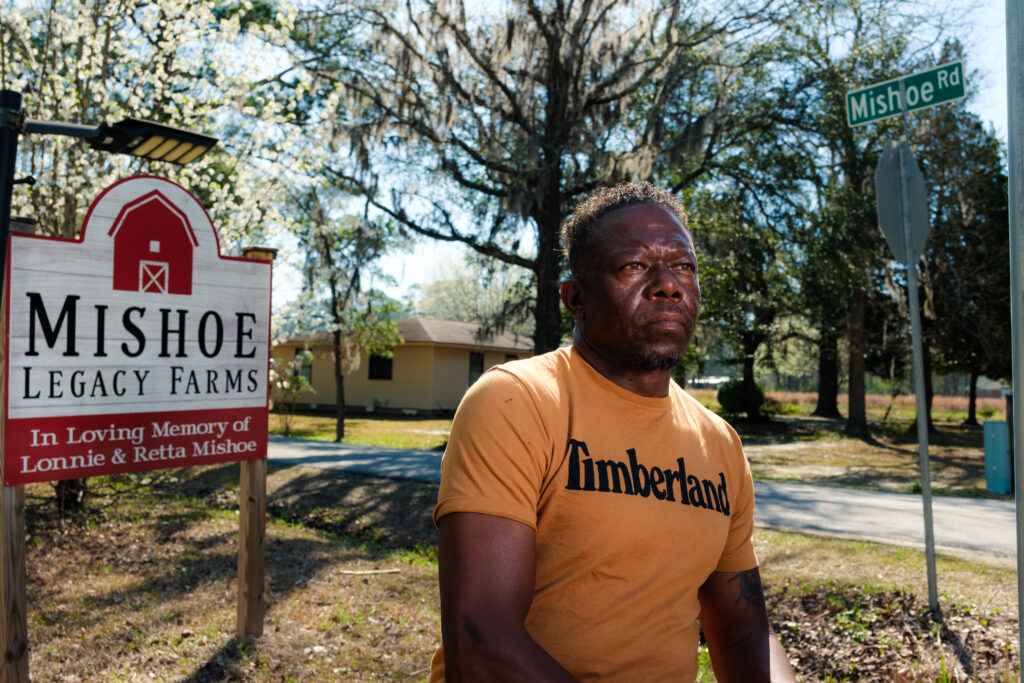
Kevin Mishoe on the future of Bucksport:
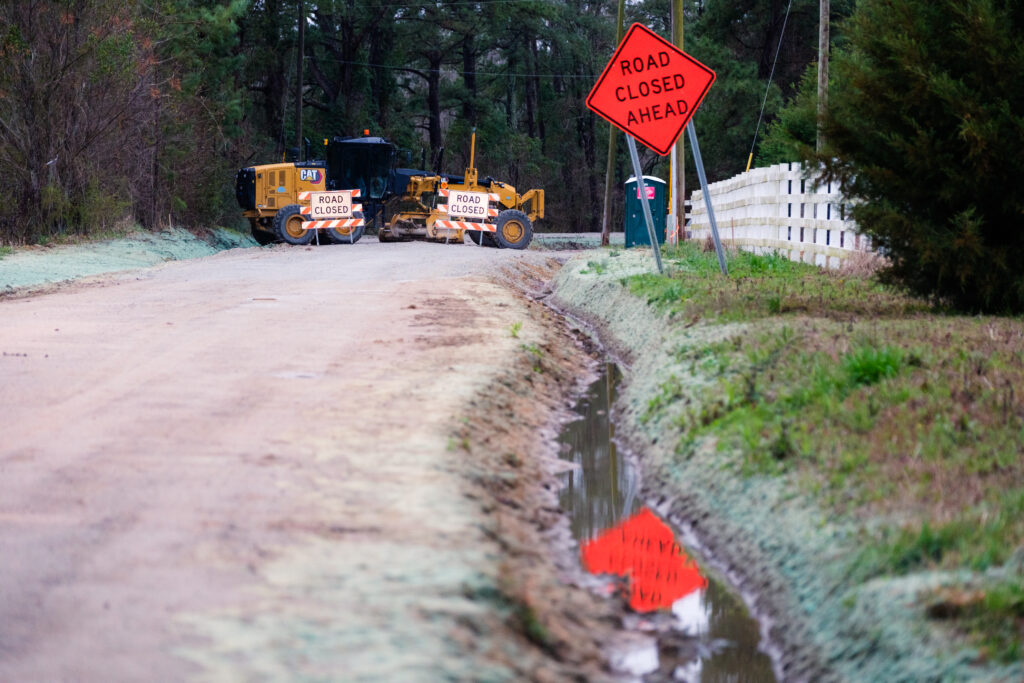
Mary Owens has seen this too and points to another nearby road, Port Harrelson Road. One of the first in the area, it goes back nearly 300 years. Today, though, it’s closed to residents as a steady hum of construction equipment works to elevate it to serve as a levee against those rising waters.
Over the last decade, people from outside areas have built large houses along Port Harrelson Road, and Owens can see what’s coming. “There are million-dollar homes coming into that area,” she said. “We’re not going to be allowed; it’s going to be a gated community. I can see it.”
Property values are already rising: a 100-acre tract in this area recently jumped from $900,000 to $1.2 million. And locals report speculators calling daily. Bucksport’s access to water makes it prime real estate, said Mishoe. “You can put a house on the edge of the river and pull your boat up to your backyard. But guess what goes up with property values? Taxes.”
A highway through history
Along with the unwanted highway and bridge over the Waccamaw River, the local government is also pushing a boat-building industrial park. “That’s why that bridge is so important,” said Mishoe. “Because you’re going to need to get trucks in and out.” Officials say it could bring 200 jobs, but Mishoe is skeptical. When the treatment plant opened, he said, they hired one local Black worker.
“Bucksport is once again being reshaped to become a large seat of commerce for Horry County,” Mishoe said. “It’s back here again, just in a modern form.”
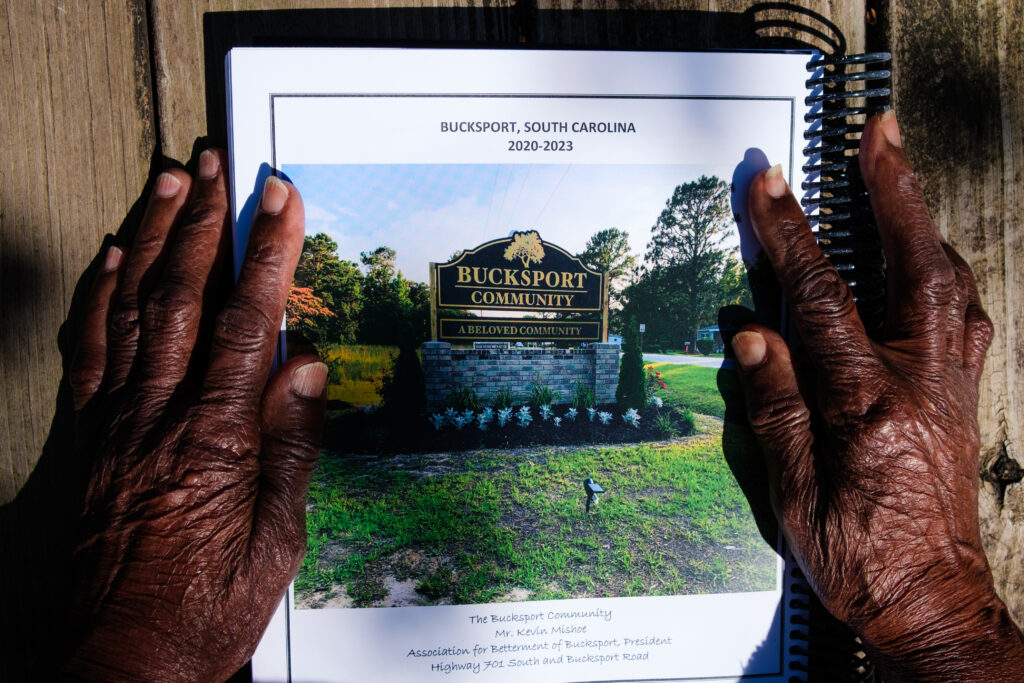
Even with the steady rumble of construction vehicles, Owens refuses to let history be erased. She worked with neighbors Leatha Carson and Clementine McCray to create a 329-page historical collection, Hidden History and Experiences About Black People, to preserve records and family trees. “We wanted our students, our kids, to know about this area,” said Owens. “We want them to try and keep it because we struggled so hard to get it.”
“We don’t want to allow history to evaporate or be buried with us,” said Carson. If the highway is built, she added, “it will be the end of Bucksport as I know it.”
Fighting for the future
After emancipation, Black families here bought property, built churches, and developed deep ties to the land. They banded together to survive the discrimination of Jim Crow and carved out a self-sufficient community that looks after its own.
Owens wants the community’s past to endure. She has cleared brush from Eddy Lake Cemetery and is pushing for it to be recognized as a historic site along the Gullah Geechee Cultural Heritage Corridor.
Change is inevitable, she said, but who does that change prioritize? The cemetery is one of the few tangible connections between descendants and their enslaved ancestors. For many, protecting it and the community is a moral obligation, so they attend government meetings, advocating for their voices to be truly heard.
“I’ve seen a lot of minority communities die at the foot of a bridge or a road that runs right through the community,” Mishoe said. “The only way we can save our community, and save the history, is we have to have a comprehensive plan that will adopt what they’re doing, but benefit us at the same time. It’s a beautiful community, if we can keep it.”